The Top Shelf Is Not a Vault: Storing CBD in a Shared, Nosey Household
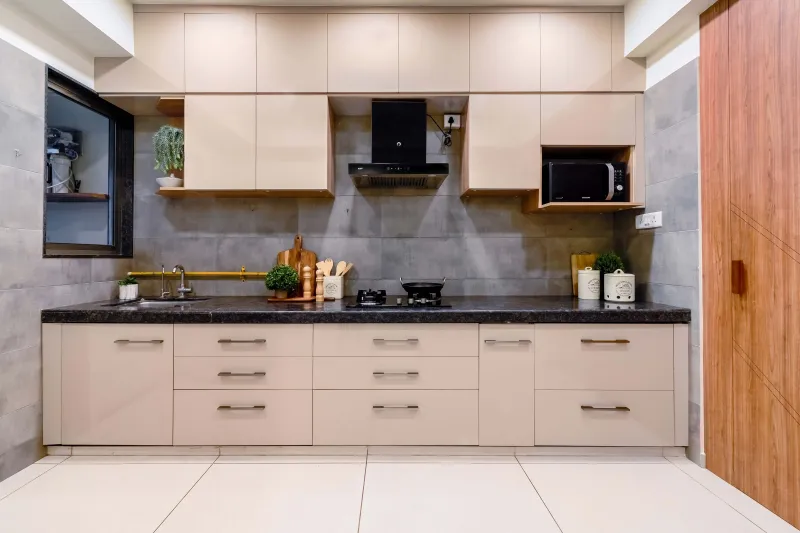
Photo: kitchen cupboard lockable storage tin CBD bottle safe household UK, via images.livspace-cdn.com
In a shared house, the kitchen cupboard is a public square. Everyone knows where the good mug lives, someone keeps putting bread in the wrong place, and the dog has learned that a chair can be pushed towards the counter. Adding CBD to this ecosystem needs a bit more thought than shoving a bottle behind the beans.
The goal isn’t to hide it like contraband. It’s to store it safely, keep it usable and avoid a family summit every time someone opens the cupboard.
Read the label before you choose a spot
CBD products vary. Some oils want a cool, dark cupboard; some balms are fine at room temperature; some labels say not to refrigerate. Check the packaging and keep it. The original box has the batch number, ingredients and expiry date. If you decant oil into a tiny unmarked bottle ‘for space’, you’ve made a mystery, not a storage system.
Keep CBD away from the hob, the radiator, the windowsill and the kettle’s steam zone. A high shelf above the oven is not a cool dark place, even if it is out of reach. Light and heat are not kind to oils.
Pick a home, not a hiding place
The top shelf can work if it’s genuinely safe, but it shouldn’t be your only plan. A small lockable tin or box in a cupboard is better than a bottle balanced behind the cereal. If children live in or visit the house, use a lock or a child-resistant container and keep it out of sight. If there’s a dog, remember that bags, pockets and low cupboards are all fair game. CBD isn’t a treat, and it isn’t something to leave next to the dog biscuits.
If you have housemates, don’t hide it in someone else’s food section. That’s how a calm kitchen becomes a group chat.
Label it like an adult
Write the open date on the box. Keep the dose information or a small card with it, especially if more than one adult uses CBD. A plain label saying ‘CBD oil — adults only — not sweets’ sounds obvious, but it helps when a grandparent is looking for honey or a friend is hunting for vanilla extract.
If you use a lockable box, label that too. Mystery boxes invite questions. Boring labels prevent them.
Have the short conversation
You don’t need a speech. Try: ‘That’s my CBD. It’s legal, it’s for sleep, and please don’t cook with it.’ If a housemate is curious, answer one question and then stop. If a parent or grandparent is suspicious, keep it practical: ‘It’s a plant extract I take in the evening. The label explains it. I’d rather not debate it at breakfast.’
With children, keep it simple and age-appropriate: ‘This is medicine for grown-ups. You don’t touch it.’ Then store it like you mean it.
If someone in the house is uncomfortable with CBD, don’t leave it on the shared table as a test. Put it in your room or a lockable box. Shared space means shared boundaries.
Watch the expiry and the clutter
CBD isn’t a collector’s item. Write the date you opened it, use the oldest first and check the label for expiry. If the oil smells off, has changed colour dramatically or has been sitting on a radiator since spring, don’t gamble. Bin it.
Don’t hoard ten half-empty bottles because they were on offer. A small, current supply is easier to store safely than a shelf of maybes. And unless the label says otherwise, don’t assume the fridge is the answer. Condensation and curious flatmates are their own problems.
When the top shelf stops being a hiding place
If you’re hiding CBD from adults who share the bills, that’s not privacy — it’s friction waiting to happen. A lockable box in a shared cupboard, clearly labelled, is calmer than a bottle that falls out every time someone reaches for pasta. If you’re hiding it because you’re worried about judgement, say that plainly: ‘I’d rather keep this private, but it’s not a secret.’ That usually ends the conversation faster than a whispered explanation in the hallway.
The shared kitchen works best when CBD has a boring, safe, labelled home. Not a vault. Not a trap. Just a tin in the cupboard, away from the heat, with the receipt for the lock somewhere sensible. That’s the treaty.